Arm Fat Extraction Injections: How Do They Differ from Liposuction?
Look into arm fat extraction injections and the names get confusing. Fat dissolving injections, fat extraction injections, and on top of that the brand names each clinic attaches to them.
You do not need to memorize the names. Grouped by how they act, there are two categories, or three once you include liposuction. Look at how the fat is handled rather than what it is called, and it sorts itself out.
Injections with similar names: what is the difference?
Injection-based methods divide broadly into two.
One introduces a drug that breaks down fat cells and clears them through metabolism. Because the body has to process them, the change appears gradually. The other inserts a fine cannula and draws the fat out directly. This is the category called fat extraction injection, and it is performed without an incision or sedation, and usually without compression wear.
| Method | What it does to the fat | Incision / compression | Sessions |
|---|---|---|---|
| Fat dissolving injection | Broken down by drug, cleared by metabolism | None | 3 or more assumed |
| Fat extraction injection | Drawn out directly through a fine cannula | No incision; usually no compression wear | Multiple assumed |
| Liposuction | Suctioned along the layer with a cannula | Incision required; compression wear required | Usually one |
What separates the three rows is not the name but the second column. Dissolving fat, drawing it out, and suctioning it along the layer are different jobs.
How evenly it is removed is the fork in the road
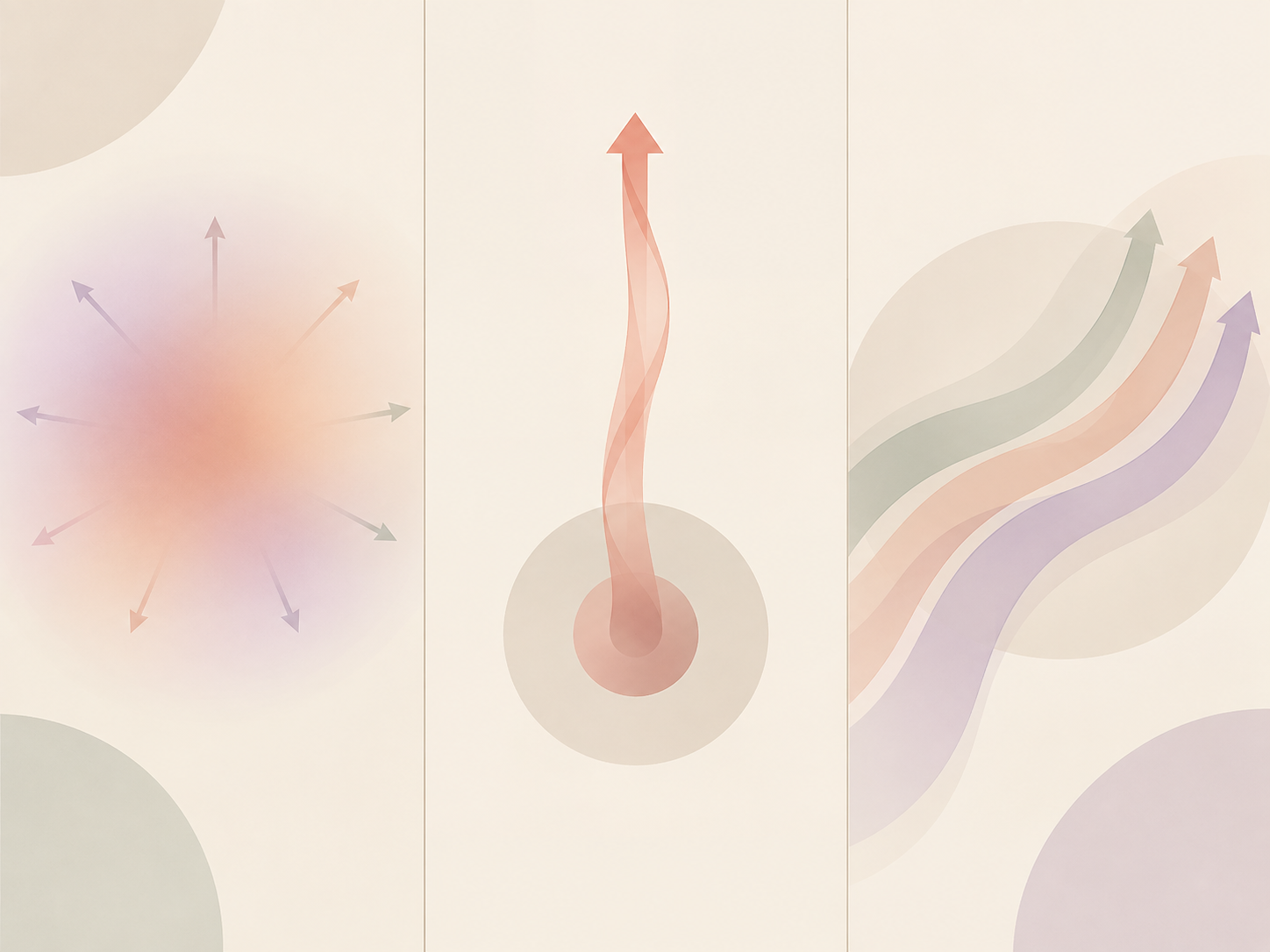
Being an injection does not mean it only touches the surface. A fat extraction injection also draws from a targeted fat layer, so it enters with the layer in view. It simply does not address a wide area at once the way liposuction does; it works narrowly on one or two spots.
What matters here is removing evenly. Remove the same volume but concentrate it on one side and the surface turns uneven. The narrower the area, the more easily a border forms, so where to draw from and where to stop decides the result.
There is a problem in the opposite direction too. Liposuction on an arm that did not have much fat to begin with can be excessive. Unlike the abdomen, the arm has a thin fat layer and thin skin, so there is little margin. On such an arm there is a range where injections actually fit better.
Area is also a fork. If only the front of the armpit bothers you, or one spot at the back of the arm bulges, that suits narrow treatment by injection. If instead you want to clean up the entire line from shoulder to elbow, the area widens, and dividing it into sessions becomes difficult. A session here means receiving treatment several times at intervals rather than finishing at once. Splitting a wide area this way sometimes leaves the condition different between visits, which makes it harder to hold a reference point. It is also the difference between narrow and repeated versus wide and once.
Recovery burden differs as well. An extraction injection involves no incision and no sedation, and usually no compression wear, so you can return to daily life right after. Because it draws the fat out directly, though, a few days of soreness or swelling are possible. Liposuction requires clearing several days, and the compression period is long.
So the question of which method is better is hard to answer. You first have to see which layer your fat sits in and how much there is, and that does not come out by hand. The layers separate only under ultrasound.
Count the sessions and you see the total duration
What is easy to miss when considering injections is the total duration. Each session is short, but multiply by the interval between sessions and the actual elapsed time grows long.
Intervals vary by method and plan. Some plans schedule six sessions at seven to ten day intervals, finishing in six weeks; others take three sessions three weeks apart. Either way, the premise that it will not end in one is the same. On top of that comes the time for the change to settle after the final session.
Swelling repeats with each session too. Right after treatment, the area swells in proportion to what was introduced, and it usually subsides gradually over five to seven days, at which point the change begins to show. So it is hard to judge how much was reduced from the appearance right after treatment. That window is built into every interval between sessions.
This matters most when you have a fixed date. For a wedding or a shoot, if you start with injections, spend several sessions, find it wanting, and move to liposuction, the remaining time has already shortened. It is better to decide in advance at what point you will assess, before the sessions are used up. The direction is usually visible by the second or third session. If there is almost no change at that point, reviewing the layers is faster than adding more sessions.
How far into the layers injections act is set out separately on the Fat Dissolving Injection page.
What to subtract when reading numbers in reviews
Reviews often cite how many centimeters of circumference came off. There is something you need to read alongside that number.
The same post frequently also states how many kilograms of weight were lost. The writer combined the treatment with diet or exercise. That means the reduction in circumference includes a share from weight loss, and the post gives no way to tell how large that share is. Checking first whether their weight held steady changes what the number means.
The two really do appear together often: a sentence about centimeters off the arm, followed directly by one about kilograms lost over the same period. The writer is not hiding anything; they simply did both. But if the reader does not separate them, they overstate the effect of the treatment.
Timing needs checking too. Right after treatment there is swelling, so the reading is larger, and part of the later reduction is that swelling clearing. A number measured right after the final session and one measured two months later are different stories.
In short, there are three things to check in a review: whether weight moved at the same time, when the number was measured, and where on the arm it was measured. What remains after subtracting those three is closer to the share attributable to the treatment.

Read photographs the same way. If the angle and lighting differ between before and after, a difference appears regardless of the treatment. The arm reads differently in thickness depending on the viewing angle, so first check whether the photos were taken under the same conditions.
None of this means reviews are bad. They are simply results produced by that person’s fat layers and weight changes, and they do not transfer directly to your arm. What is worth taking from them is closer to the felt experience of recovery than the final numbers.
When people move from injections to liposuction
There is a path we meet in consultation often enough: someone tried injections a few times, found it wanting, and came in.
We do not begin by evaluating the earlier treatment. Rather than injections having been the wrong choice, it is more likely that the arm had fat spread widely, which is poorly suited to narrow, divided treatment. Deciding on a method without checking distribution produces this outcome.
| Condition | Injections tend to fit | Liposuction should be assessed |
|---|---|---|
| Amount of fat | Concentrated in one spot | Thick across the whole arm |
| Area of concern | One or two narrow spots | The whole arm and its connecting zones |
| Desired timing | There is time to spare | A date is fixed |
| Recovery schedule available | Hard to clear even one day | Several days can be cleared |
| Already tried | Nothing | Injection sessions have been used |
If even one row of the table falls on the right, it is better to start by checking the layers and distribution. Confirming the current structure before adding more repeat treatments reduces the choices you did not need to make.
Even under the same conditions, the range of results differs from person to person, because which layer the fat sits in and what the skin elasticity is like both vary. So which method fits is something we can only tell you after seeing the arm. The conditions we review when the case leans toward liposuction are gathered on the Pre-Surgery Examination page.
The reverse path exists too. After liposuction, when one or two spots remain unsatisfying, that narrow area can be addressed with an injection. This requires some recovery to have passed before it can be judged, so we allow at least three months.
Injections and liposuction are not competitors. Fat concentrated in one spot is tidied narrowly by injection, while fat lying thickly across the arm calls for liposuction that also addresses the connecting zones. The question is not which to choose but where your fat is and how much of it there is.
Whether to add more sessions or change methods separates only after seeing your arm’s current distribution. Whether it is concentrated or spread widely, and whether it sits in the superficial or the deep layer, is confirmed with ultrasound during a consultation at Line Culture Clinic. If you have had a few injection sessions and found them wanting, checking the layers is faster than spending more sessions.